
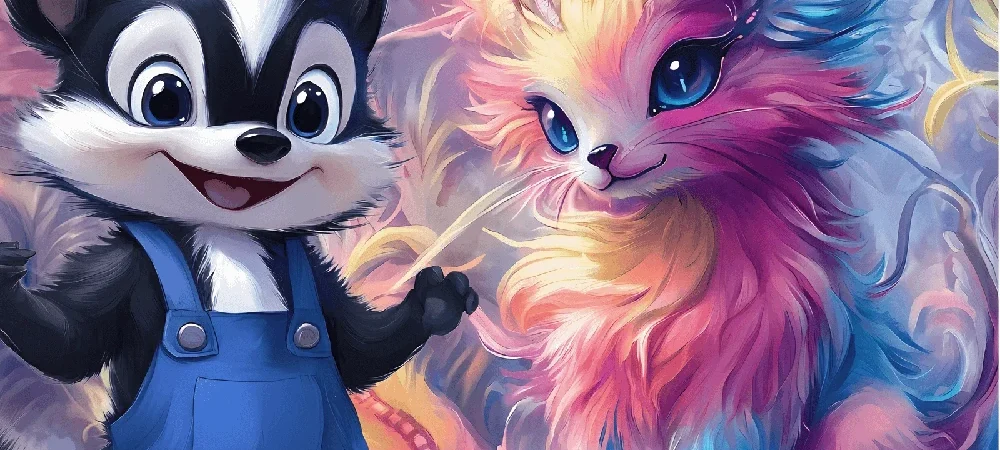
by Charlee Bee
After you finish Lulu’s Lesson, choose one of these five questions and see what your child thinks. You might talk about Emery feeling left out, what an apology could sound like or another way the characters could have handled things. There’s no need to work through the whole list.
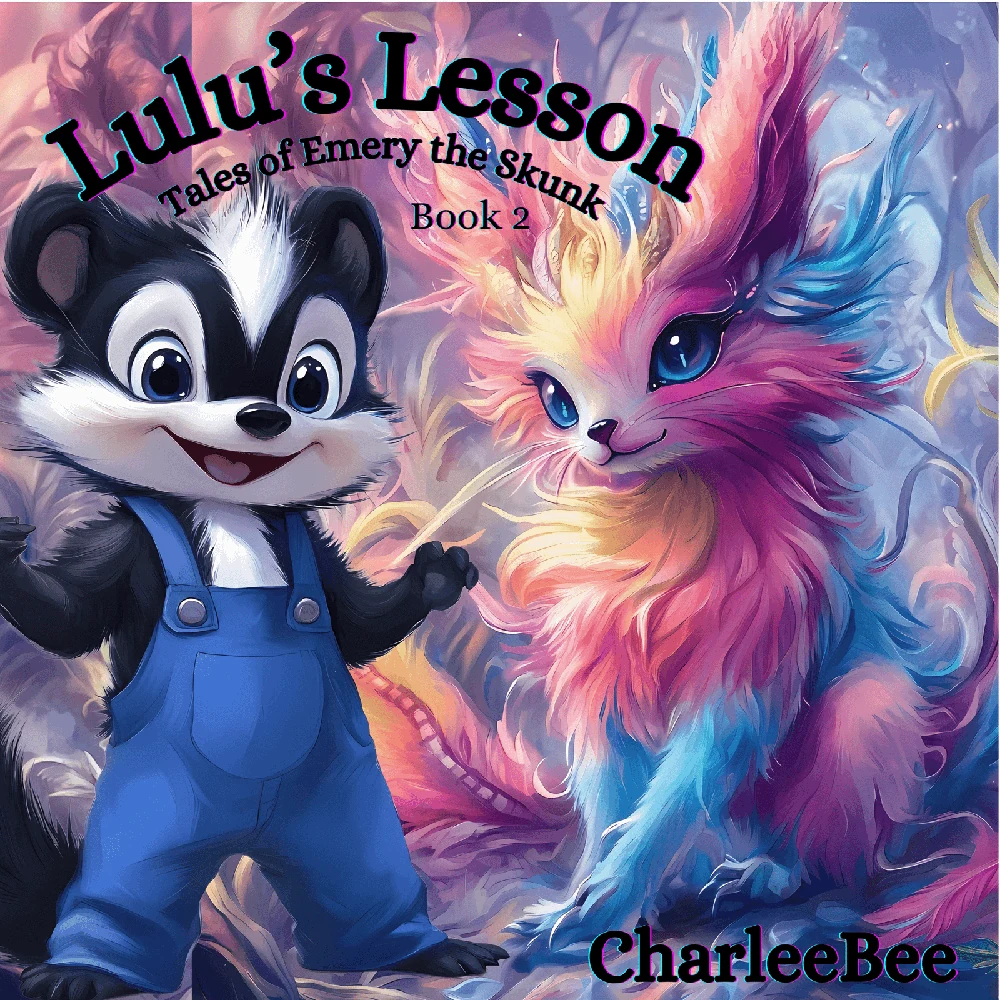
Table of Contents
What happens in Lulu’s Lesson?
In our description of Lulu’s Lesson, Emery the Skunk faces loneliness and taunts from the rabbit sisters Rosie, Posie and Josie after her friend Lulu leaves. When Lulu returns, a spell gives the rabbits an experience of exclusion (being shut out themselves), followed by an apology and a new understanding. These questions open up the story, including whether the characters could have found another way to respond.
1. How do you think Emery feels when she is left out?
Start with a picture or moment your child remembers. Ask what they notice about Emery before you supply an answer. They might say sad, lonely, angry or something else. Follow up with, “What in the story makes you think that?” If they are unsure, offer two possibilities and let them choose one or suggest another.
Keep personal examples optional. Your child can talk about a fictional character without sharing an experience from school or home.
2. What could someone do to help Emery feel included?
Invite an ordinary, specific idea: sit beside her, say hello, offer a turn or ask whether she wants company. Then ask what Emery might prefer, since not everyone wants the same kind of help. You can also ask what a trusted adult could do.
3. Was there another way to help the rabbits understand?
Ask your child to invent a different response: a conversation, help from another character or a clear boundary about unkind behaviour. We do not have to copy every choice a story character makes. In everyday life, children can seek help from an adult when someone is being hurt or excluded.
4. What could an apology sound like?
Make one up together for a character: “I am sorry I left you out. That was unkind. Would you like to join us?” Then talk about what the character might do next to show the apology matters. Keep it as a story-based rehearsal, and please avoid asking your child to perform a real apology.
5. What is one kind choice we could try today?
Pick something small and realistic. Your child might invite someone into a game, help put away shared materials or listen while another person speaks. Offer a choice. Later, ask how it went without turning it into a scorecard.
A fold-in-half drawing that gives the story a new ending
Fold a sheet of paper in half. On one side, your child draws a moment of exclusion from the story. On the other, they draw a different ending in which someone offers help. They can dictate a sentence, draw without words or skip the activity. This is a family extension idea, and the book does not include a worksheet for it.
How can we keep a Lulu’s Lesson conversation comfortable?
Let your child choose whether to talk, draw or simply listen. You can share your own observation first: “I noticed Emery was alone in that picture.” Pause rather than asking several questions at once. If the conversation moves to something your child enjoys, follow their lead or return to the story another day.
What if my child gives an unexpected answer?
Ask what they noticed in the words or pictures. Two readers may focus on different moments. You can explore a character’s choice without agreeing with it: “What might happen if they tried that?” Keep the discussion about possible actions rather than labelling a child as kind or unkind.
Do we need to finish every question?
No. One thoughtful exchange can be your stopping point. For a simple ending, each of you can name a kind action a character could try. These are optional family conversation ideas, not a test, a developmental assessment or activities printed in the book.
Where to find the book and a shared-reading guide
You can find the book in our Tales of Emery the Skunk collection, or view Lulu’s Lesson on Amazon. For ways to follow up on your child’s comments while you read, our interactive shared-reading guide has ideas.
Bubbly Books publishes the featured book. Purchases through its Amazon listing may earn book royalties.