

A child points to a tiny door in a tree. You stop reading, wonder aloud who might live there, and listen to their answer. That’s one way to make reading together more interactive. Sometimes a comment starts the conversation; sometimes your child just wants you to turn the page.
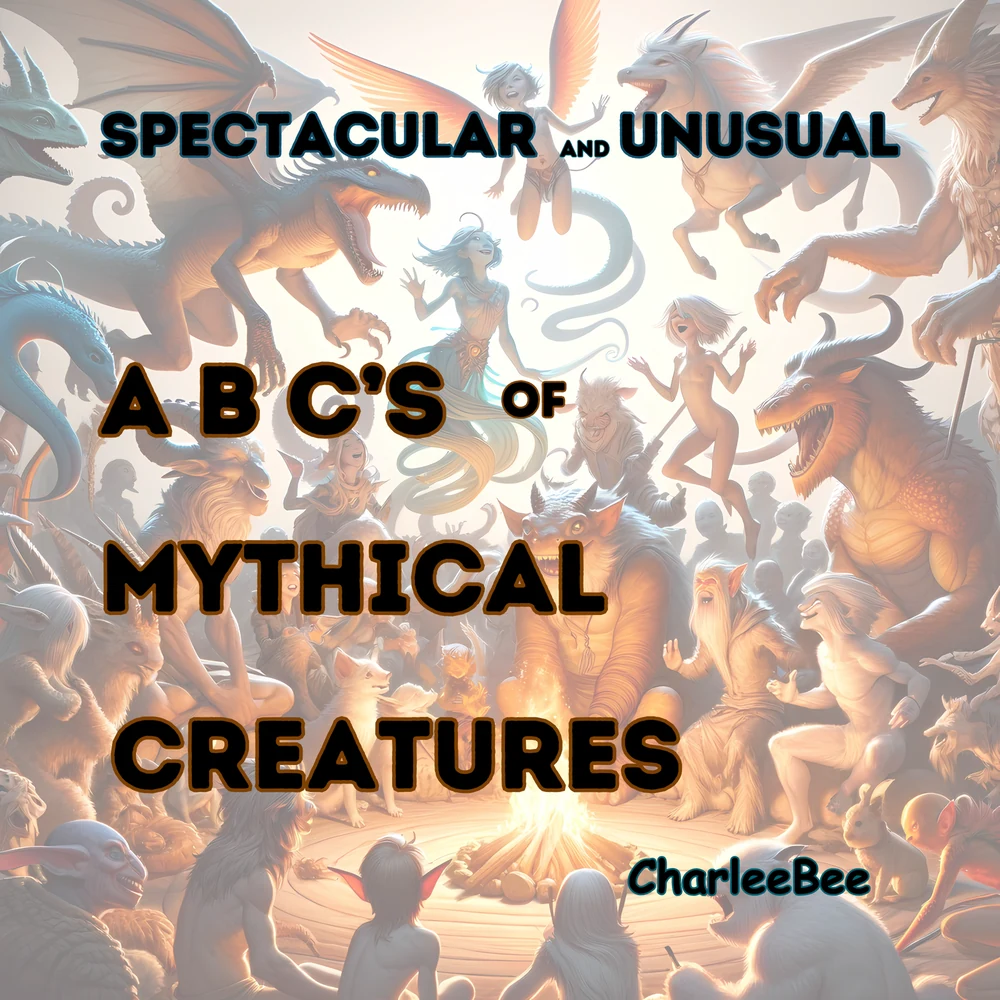
Table of Contents
What does interactive reading look like?
Think of the story as something you share, rather than a task your child must complete. You can notice a detail aloud: “That character looks surprised.” Then pause. If your child responds, follow their idea before returning to the story. If they do not, simply carry on reading.
What can I say before we start?
Let your child choose between two books, or choose a favourite together. Look at the cover and offer one invitation: “What do you notice?” You can share your own observation if your child prefers to listen. Predictions are optional; nobody needs to guess the plot correctly.
What can I say during the story?
Try a question when there is a natural pause: “What do you think might happen next?” Another option is to connect with a character: “How could we welcome someone who feels left out?” These are suggested family prompts, not questions quoted from a particular book.
Balance questions with comments. “I like that tiny door in the tree” leaves space for conversation without requiring an answer. If your child wants to hear what happens next, turn the page.
What if my child does not answer?
Give them a moment, then continue without pressure. They might prefer pointing to a picture, making a character’s sound or listening. You can offer a choice such as “Do you think she is surprised or excited?” but accepting silence is fine too. Shared reading does not need a score.
How can I adapt this for different readers?
For a child who is noticing pictures, name something they point to and let them choose what to explore. For a child who enjoys talking, invite an explanation or an alternative ending. For a child who wants to move, try acting out a character’s movement, reading while they draw nearby, or returning to the book later. Treat these as options, rather than age-based expectations or promised learning outcomes.
What can we do after reading?
Offer one optional activity: draw a favourite moment, tell a new ending, or use toys to act out a scene. Let your child decide whether to join in. Keep invented endings separate from what happened in the original story.
What is a simple routine to try?
Before reading, choose a book and notice the cover. During reading, pause once for a comment or question that fits the moment. Afterwards, invite your child to share a favourite picture or part. Shorten or extend this routine according to their interest.
Where can I find more reading ideas?
For background on reading aloud, see our existing parent guide: Why Is Reading to Young Children Important? A Parent’s Guide
What does research say about interactive reading?
Dialogic reading is a structured form of shared reading in which an adult helps a child take a more active storytelling role. The U.S. Department of Education’s What Works Clearinghouse February 2007 review found positive effects on preschool oral language, but no discernible effects on phonological processing. These findings concern the studied intervention, not a guarantee that any single reading activity will produce the same result.
A reviewed study of three-year-olds found a statistically significant benefit on one expressive vocabulary measure, but not on a receptive vocabulary measure. Outcomes can differ across measures and studies. The flexible activities in this article are practical family suggestions, not a tested programme or a substitute for reading instruction.
Which book could we try together?
For a family that enjoys imaginative pictures and unusual names, explore The Spectacular and Unusual ABCs of Mythical Creatures in our ABC books collection. Choose a page, notice a detail together, and let the conversation follow your child’s interest. Bubbly Books is the publisher; this title was not evaluated in the research cited above.