

by Charlee Bee
On a busy day, reading can be the first thing that slips. Try keeping a book beside the place where you already stop together—at the breakfast table, on the sofa or beside the bed. Read a little when you can. If today gets away from you, pick it up tomorrow.
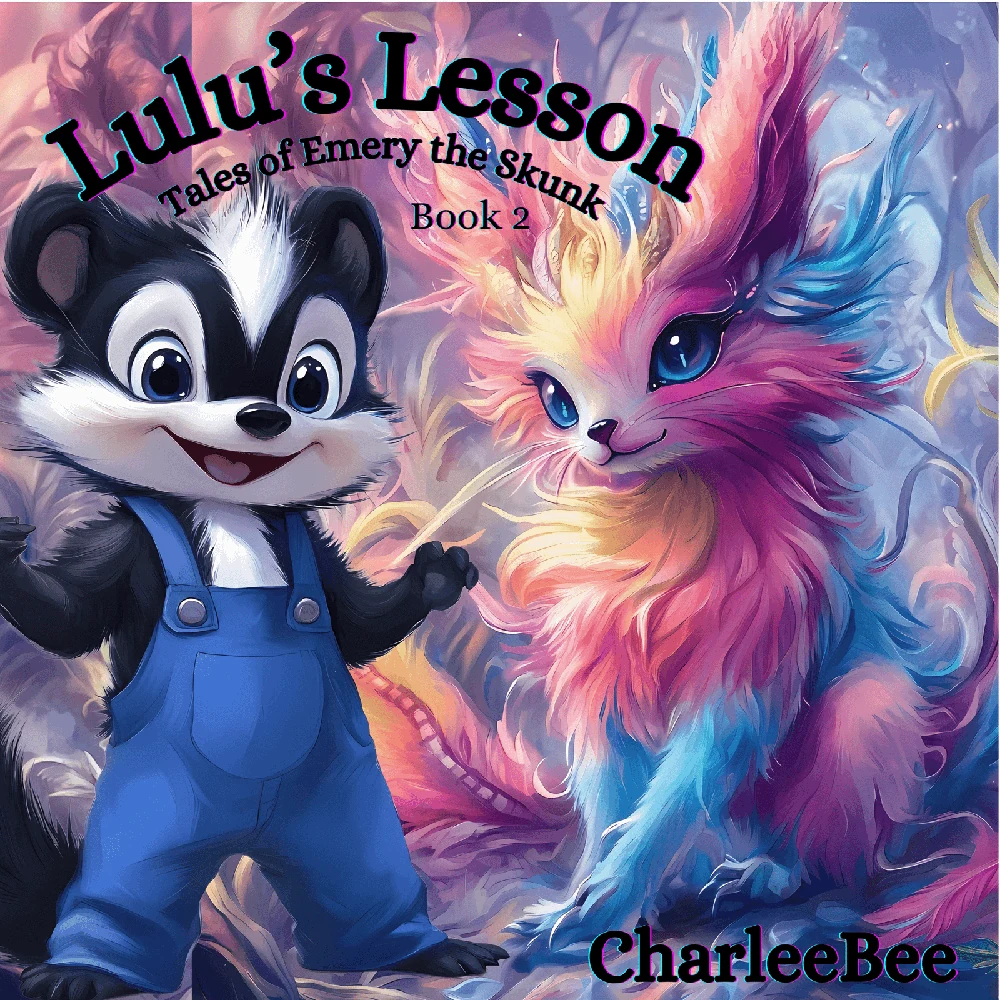
Table of Contents
What does research tell us about reading at home?
In a five-year observational study, Sénéchal and LeFevre followed 168 children and found that book exposure was related to vocabulary and listening comprehension. Those language skills were connected with later reading. The study did not compare daily schedules, so it cannot establish that a particular number of bedtime minutes causes a particular outcome. Read the original home-literacy study.
Try the ideas below at a time that suits your household. The research doesn’t prescribe a family timetable.
Which part of our day is realistic?
Choose a moment that already exists: after a snack, before quiet time or before bed. Bedtime is only one possibility. If everyone is exhausted then, choose another moment. Think about when an adult is available and your child is most willing to share a book.
Try a simple sentence: “After our afternoon snack, we will choose a book together.” Keep the first attempt small enough to fit the day you actually have. Adjust the time once you see how it works.
How can we make starting easier?
- Keep a few accessible books in one easy-to-reach place.
- Include a familiar favourite and one different option.
- Choose the next book together before the busy moment arrives.
- Let another trusted family member take a turn reading.
- Keep paper nearby if your child likes drawing something from a story.
A small selection is enough. Borrowed books, books you already own and reread favourites can all be part of the routine. You do not need to buy something new to restart.
What can we do on a very busy day?
Read a short section, revisit a favourite page or look at a picture and talk about it. If your child wants the full story and you cannot finish, choose a clear stopping place and say when you hope to return. Picture talk is one way to share attention around a book.
For a school-age child practising independent reading, follow the support suggested by their teacher. The What Works Clearinghouse guide for kindergarten through Grade 3 recommends daily connected-text reading within a broader programme of foundational instruction. Family read-aloud time and independent word-reading practice can have different purposes.
What if we miss a day?
Start again at the next workable moment. There is no need to double the session or make a child catch up as a penalty. Ask whether the plan was too ambitious, whether the book interested your child or whether another time would suit everyone better. Change one thing and try again.
Can we make a plan together?
Write three lines: “Our usual moment is…”, “Our first book is…” and “On a busy day we can…”. Let your child suggest the book or where to keep it. Review the plan after a few days. For conversation ideas, see our guide to interactive shared reading.
Choose the next book
Browse our Tales of Emery the Skunk collection. For a story about kindness to share across short sessions, explore Lulu’s Lesson.
Bubbly Books publishes the featured book. Purchases through its Amazon listing may earn book royalties.
Sources
What Works Clearinghouse foundational reading practice guide (2016; revised 2019).