
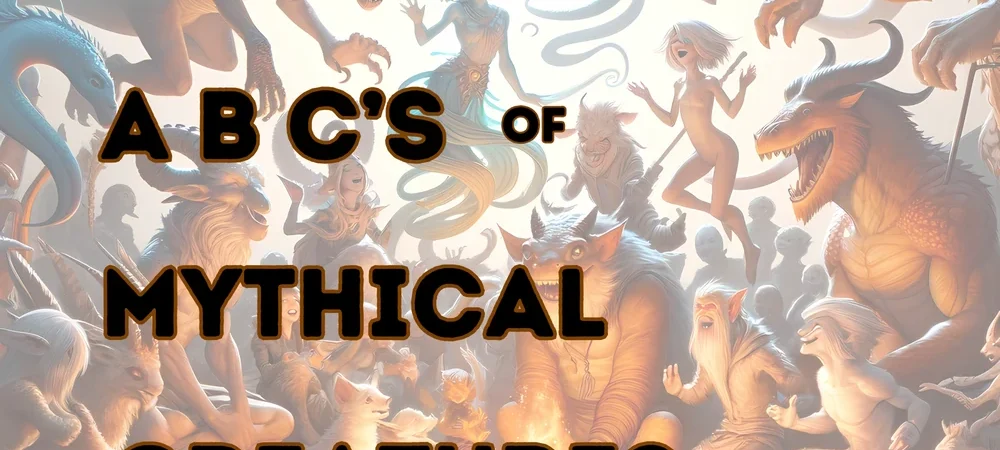
What would your child call a creature with moth wings and a moon-shaped tail? Start with a page from a mythical-creature alphabet book, then make up a creature together. Paper and crayons are all you need for the drawing part.
Keep the activity short and playful. Start with one letter and let your child’s questions guide what happens next. There is no need to work through the whole alphabet in one sitting.
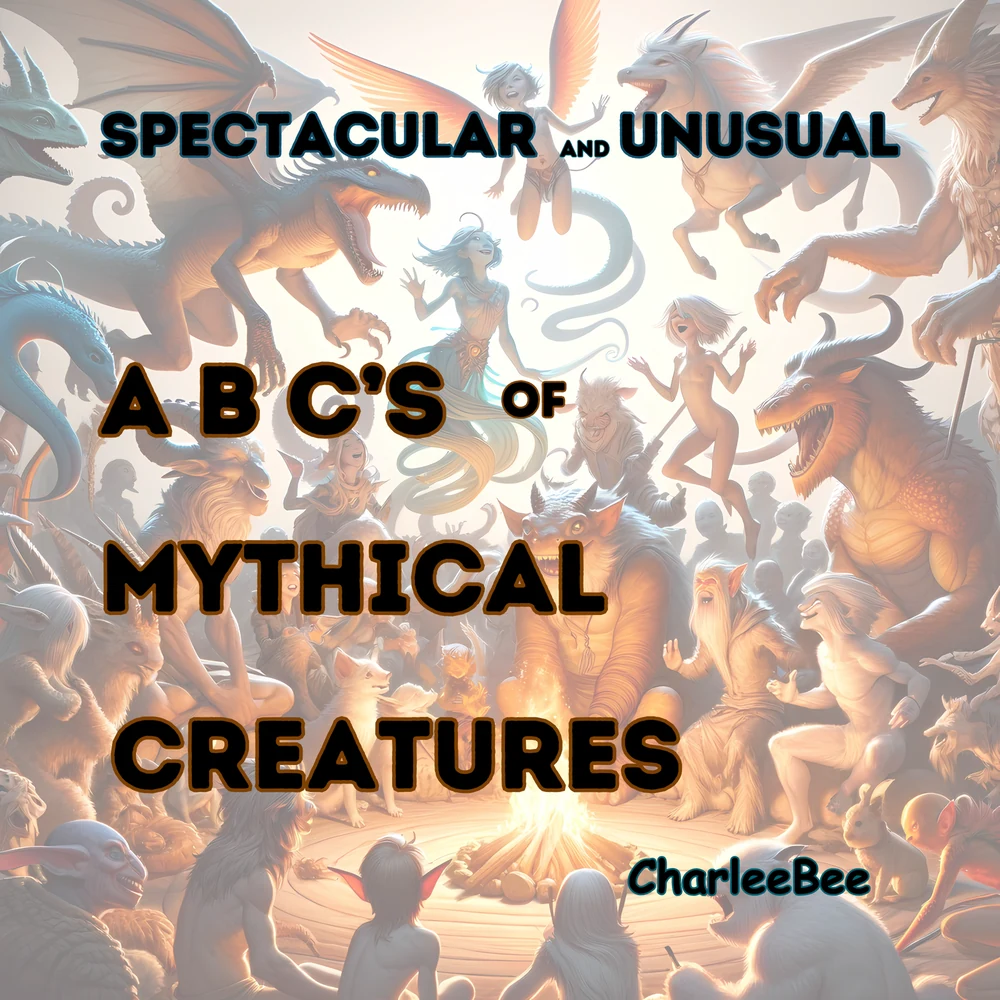
Table of Contents
What you need for a mythical creature alphabet activity
Gather an alphabet book with mythical creatures, a few sheets of paper, and crayons or pencils. Older children may also enjoy making their own letter cards.
For a book to explore together, see The Spectacular and Unusual ABCs of Mythical Creatures. Bubbly Books describes this 32-page book as an introduction to ancient myths and legendary animals for ages 4–12. The activity below is a family extension idea, rather than a description of exercises included in the book.
1. Choose one creature and one letter
Invite your child to choose a page that catches their eye. Read the creature’s name aloud, then point to its first letter. Ask, “Can you find this letter anywhere else on the page?”
If the name is unfamiliar, explore it together. You do not have to know every answer before you begin. A useful response is, “That’s a new word for both of us. Let’s find out more.”
2. Look closely and start a conversation
Give your child time to study the illustration before asking a question. Try one or two of these prompts:
- What do you notice first?
- Which details make this creature unusual?
- What would you ask it if you could meet it?
- Which part of its story would you like to learn more about?
Follow the child’s answer instead of turning each page into a quiz. If the book names a place or tradition connected with a creature, read that information together. Explain that myths and legends can have different versions and can be meaningful parts of people’s cultures.
3. Invent a creature of your own
On a fresh sheet of paper, write a letter your child chooses. Invite them to draw an imaginary creature whose name starts with that letter. This new character belongs to your family’s invented story; it does not need to represent a traditional legend.
You could call your creature “Mira the Moon Moth.” Where does Mira live? What does she do when the sun comes up? Write down whatever your child comes up with.
Write down your child’s words beside the drawing. A younger child might dictate a name and one sentence. A child who enjoys writing could add a short adventure or a labelled map.
4. Make a family alphabet collection
Save each drawing in a folder or staple a few pages together. Add another letter on a different day when someone feels inspired. You can revisit favourite letters, include several creatures for the same letter, or leave some letters for later.
When you read the collection aloud, invite your child to tell you something about each picture. A sibling or grandparent can contribute a creature, too.
Adapt the activity to your child
For children beginning to notice letters: focus on finding a familiar letter and describing a picture. Drawing and talking can be the whole activity.
For children ready to write: invite them to label their creature or finish the sentence, “My creature likes…” Offer help with spelling when they want it.
For older readers: suggest comparing two versions of a legend using sources you choose together. Keep those traditional stories separate from the creature your child invented.
Common questions
How long should a mythical creature alphabet activity take?
Try about 10–15 minutes as a starting point, then stop earlier or continue according to your child’s interest. One enjoyable page is enough.
Do we need to go in alphabetical order?
No. Let your child choose a letter from their name, a favourite creature, or a page they want to revisit.
What if a creature seems frightening?
Let your child skip it. Choose a comfortable page, invent a friendly character, or switch to another book.
Choose your next family read
Browse our ABC books collection for more alphabet reading ideas. For the featured title, use the book link below.