

by Charlee Bee
“That one again!” If your child reaches for the same book night after night, you can say yes. They may enjoy knowing what comes next, spotting a favourite picture or joining in with a familiar line. Keep offering other books too, but a well-loved story doesn’t need to be retired.
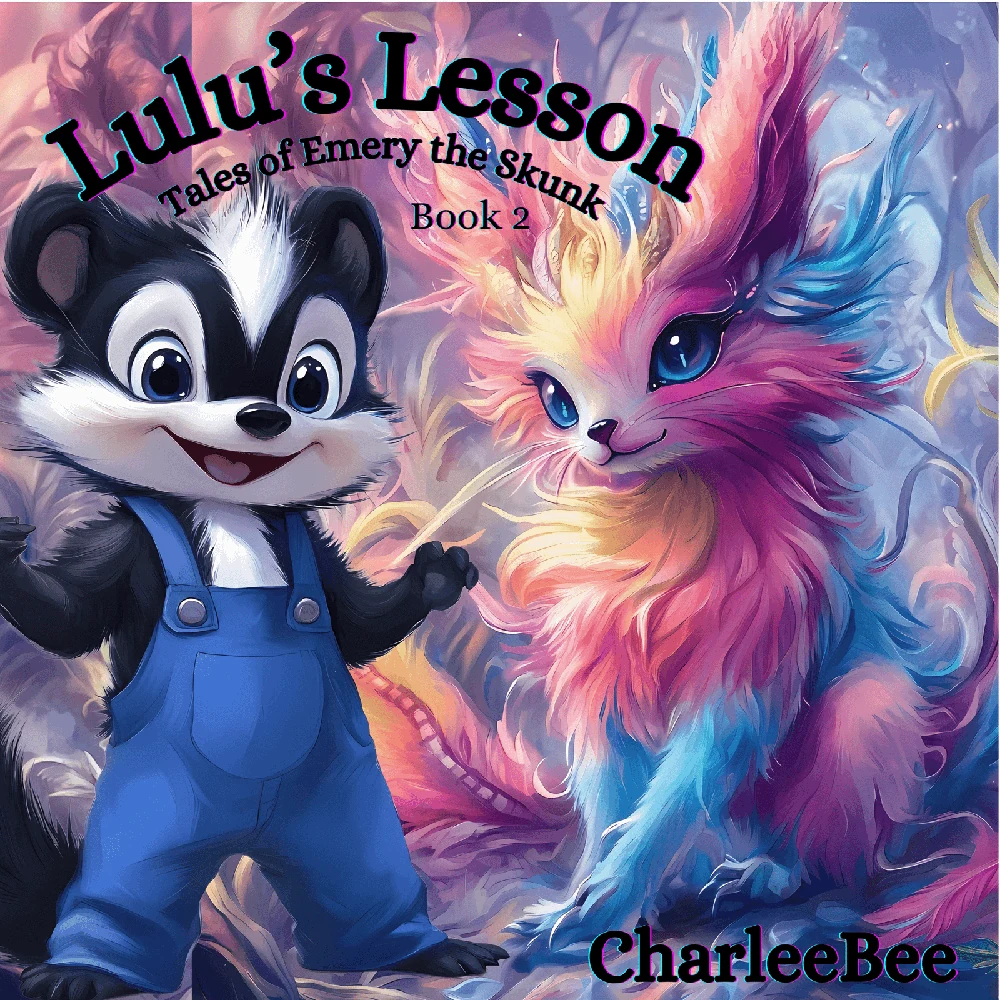
Table of Contents
What does research say about reading a book repeatedly?
In a 2011 experiment, Jessica Horst and colleagues read specially created storybooks to three-year-olds over one week. Children heard new object names equally often, but some heard the same stories repeatedly while others heard different stories. The repeated-story group did better at remembering the new name–object connections. See the original study on contextual repetition and word learning.
This supports revisiting stories as one way to encounter words in a familiar setting. It does not tell us exactly why an individual child chooses a favourite, or promise that a particular commercial book will produce the same result.
Should I keep reading the favourite exactly the same way?
You can. There is no requirement to turn every rereading into a new lesson. Sometimes the pleasure is hearing familiar words in your familiar voice. If your child enjoys participating, leave a pause before a well-known phrase or invite them to tell you what they notice in a picture. Let them decline.
Try one small variation at a time. On one reading, follow the story without stopping. Another day, look closely at an illustration. Later, ask which page they want to revisit. Your child does not have to recall the plot, identify letters or explain a lesson to earn another reading.
What can we do when I am tired of the same story?
- Offer a manageable choice: “Shall we read your favourite first, or try this other one?”
- Agree on a comfortable stopping place when time is short.
- Invite another family member to read if they would enjoy a turn.
- Choose a related book about another animal, setting or topic your child likes.
It is also all right to set a kind boundary: “We can read this once now, and choose another story tomorrow.” Aim for reading time that works for both of you.
How can I introduce another book?
Keep the favourite available. Place a different book beside it and show something interesting: a surprising picture, a funny character or a familiar subject. A library visit can offer variety without requiring a purchase whenever tastes change.
Does remembering the words mean my child reads independently?
Reciting a familiar story can be an enjoyable way to participate, but it does not by itself show that a child can work out unfamiliar printed words. Enjoy the performance. For a child learning to read independently, ask their teacher which books fit the word-reading skills they are practising.
Choose a story to revisit together
Our Lulu’s Lesson book page introduces a story about kindness in Blackthorn Forest. If it becomes a family favourite, return to it at your child’s pace. For broader background, see why reading to young children matters.
Bubbly Books publishes the featured book. Purchases through its Amazon listing may earn book royalties.
Research source
Horst, Parsons & Bryan (2011), Get the Story Straight: Contextual Repetition Promotes Word Learning from Storybooks. Original experimental research in Frontiers in Psychology.